Sand Trap Cleaning in Irvine, CA
Sand and grit settle out of wash water long before oil separates from it, which makes a sand trap two separation jobs running in one underground chamber. We pump, scrape, and inspect both.
Two Separation Jobs, One Underground Chamber
A sand trap, also called a sand/oil interceptor, is an underground chamber that captures sand, grit, and oil from wash water before it discharges into the sanitary sewer. Car washes, auto repair shops, tire shops, and any facility with an outdoor wash-down area in Irvine typically have one installed under city or county code. Physically, it's doing two separation jobs at once inside a single structure: sand and grit, denser than water, settle to the bottom by gravity, while oil, less dense than water, rises and collects at the surface behind internal baffles designed to hold each fraction in place while cleaner water passes through.
Facilities discharging wash water to the sewer are generally required to maintain a functioning interceptor and keep it clean enough to meet local wastewater discharge limits. A neglected trap fills with sediment until it can no longer separate solids from wastewater, allowing grit and oil to pass downstream. That progression tends to show up as clogged wash bay drains and backups during peak hours before it ever shows up as a formal discharge violation notice from the sanitation district, which is the more expensive outcome for Drain Cleaning Irvine to help a facility avoid.
The terminology overlaps in ways worth clarifying. A sand trap is a different piece of equipment than a grease trap, which is designed to capture fats, oils, and grease from kitchen wastewater rather than sand and vehicle-related oil from wash water, different waste streams entirely. It's more closely related to an oil/water separator: many sand traps are technically sand/oil separators built to remove both solids and free-floating oil in the same unit, though some facilities run a dedicated sand trap ahead of a separate oil/water separator as two chambers in series. We service both configurations.
Sand Trap Service Procedure
Pump-Out
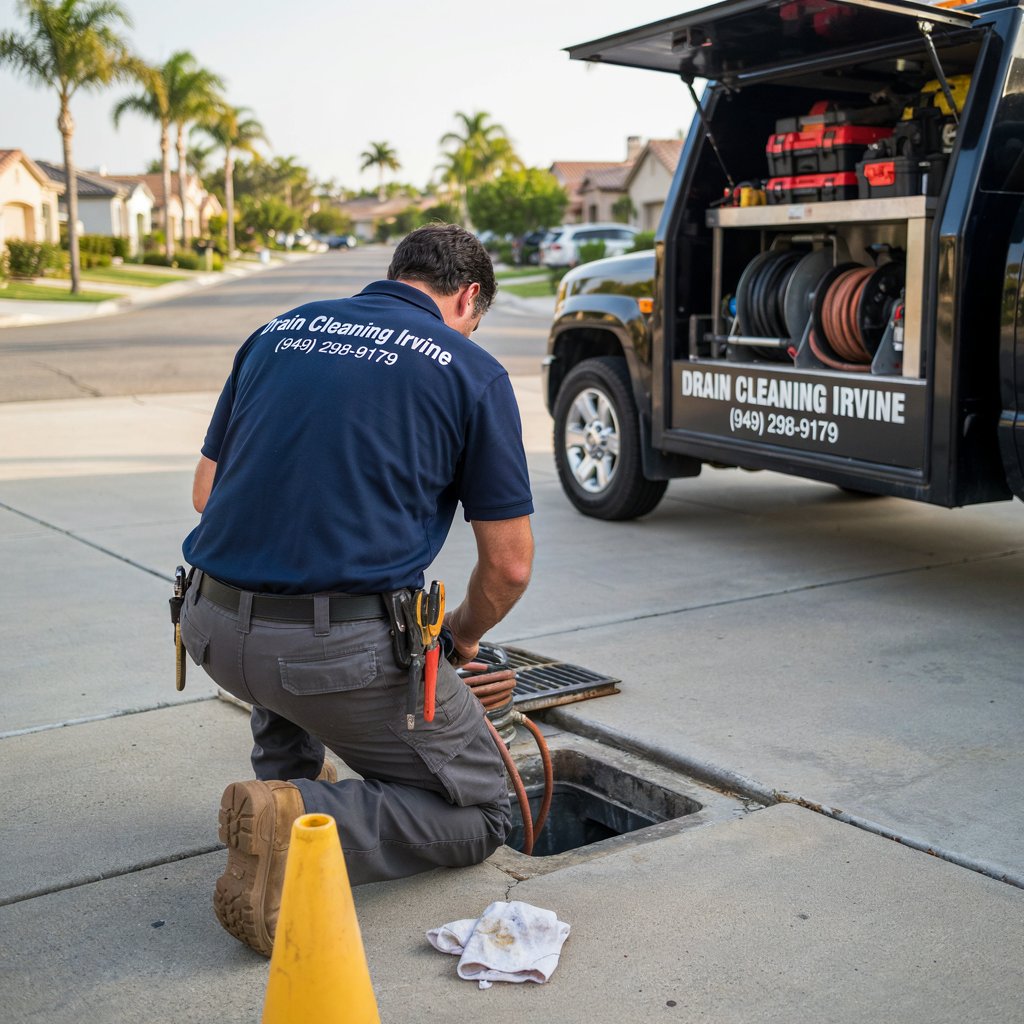
Standing water and accumulated sediment are pumped from the chamber, removing both the sand layer at the bottom and the oil layer at the surface.
Scrape and Pressure-Wash
Interior walls and baffles are scraped and pressure-washed to remove compacted residue the pump-out alone doesn't reach.
Inlet and Outlet Inspection
Inlet and outlet piping is inspected for blockages that could be restricting flow into or out of the chamber.
Waste Haul and Log
Waste is hauled for proper disposal and the visit is logged for your compliance and maintenance records.
Sand Trap Cleaning Rates
| Service | Typical Cost | Notes |
|---|---|---|
| Sand Trap Cleaning | $200 – $475 / visit | Depends on trap size, sediment volume, and access |
| Recurring Schedule | Lower per-visit rate | Interval set based on wash volume |
Indicators It's Time for Service
- Wash bay drains running slow or backing up at peak hours: That pattern often means the trap has lost enough capacity to keep up with volume during busy periods.
- Past the recommended interval: Roughly 1 to 3 months for car washes and 3 to 6 months for lower-volume auto shops, depending on what your first service found.
- Visible sediment or an oil sheen at the inlet: Buildup close to the surface usually indicates the chamber is nearing its separation capacity.
- A discharge notice or inspection flag: Any communication from the sanitation district about wastewater quality warrants an immediate service check.
Sand Trap or Oil/Water Separator: What's Installed?
Facility owners aren't always sure which piece of equipment sits under their wash bay, and the terminology doesn't help. A dedicated sand trap is built primarily to settle out sand and grit by gravity. An oil/water separator is built primarily to hold back free-floating oil while cleaner water passes through. Many facilities have a single combined unit doing both jobs, correctly called a sand/oil separator or sand/oil interceptor, which is what most car washes and auto shops actually have installed. Others have two chambers in series: a sand trap positioned first to catch heavier solids, followed by a separate oil/water separator downstream to catch what the sand trap doesn't. Both configurations need cleaning, but the service specifics, access points, and inspection steps differ slightly between a single combined chamber and a two-chamber series. If your facility records don't specify which configuration you have, we identify it during the first visit before recommending a cleaning interval, since a two-chamber setup often needs each chamber checked on its own schedule rather than treated as one combined service.
Full Chamber Service, Not Just a Pump-Out
Our sand trap service goes beyond pumping standing water: we scrape and pressure-wash the interior walls and baffles, inspect inlet and outlet piping for blockages, and log every visit for your compliance records. Skipping any of those steps tends to produce a trap that looks clean but fails its next inspection anyway.
We regularly schedule sand trap cleanings before or after operating hours, or during slower parts of the day, so wash bays or shop floors stay open for business. Recurring service is the most common way our commercial clients manage this, with an interval set from your actual wash volume rather than a generic default.
Background-checked technicians, upfront pricing before work begins, and 18 years serving Irvine's car washes, auto shops, and wash-down facilities back every visit. If something isn't right after we leave, we come back and make it right at no extra cost.
Sand Trap Service: Common Questions
What is a sand trap and who needs one?
A sand trap (also called a sand/oil interceptor) is an underground chamber that captures sand, grit, and oil from wash water before it discharges into the sanitary sewer. Car washes, auto repair shops, tire shops, and any facility with an outdoor wash-down area in Irvine typically have one installed under city or county code.
How often does a sand trap need to be cleaned?
Most car washes need theirs pumped and cleaned every 1 to 3 months depending on vehicle volume, while lower-volume auto shops can often go 3 to 6 months. We'll recommend an interval based on what we find during your first service.
How much does sand trap cleaning cost in Irvine?
Pricing depends on trap size, sediment volume, and access, but most Irvine car washes and auto shops fall between $200 and $475 per visit, with lower per-visit rates for facilities on a recurring schedule.
What happens if a sand trap isn't cleaned regularly?
A neglected sand trap fills with sediment until it can no longer separate solids from wastewater, allowing grit and oil to pass downstream. This can clog wash bay drains, cause backups during peak hours, and trigger a discharge violation notice from the sanitation district.
Is sand trap cleaning required by local regulations?
Yes. Irvine car washes, auto shops, and similar facilities discharging wash water to the sewer are generally required to maintain a functioning sand/oil interceptor and keep it clean enough to meet local wastewater discharge limits. Documentation of regular cleaning supports compliance if your facility is inspected.
How do you clean a sand trap?
We pump out standing water and accumulated sediment, scrape and pressure-wash the interior walls and baffles, inspect the inlet and outlet piping for blockages, and haul the waste for proper disposal, then log the visit for your records.
Can you set up a recurring cleaning schedule for our facility?
Yes, recurring service is the most common way our commercial clients manage sand traps. We'll set an interval based on your wash volume and put you on a set schedule so cleanings happen automatically, without you having to call each time.
What's the difference between a sand trap and a grease trap?
A grease trap is designed to capture fats, oils, and grease from kitchen wastewater at restaurants and food service facilities. A sand trap captures sand, grit, and vehicle-related oil from wash water at car washes and auto shops. Different waste streams, different equipment.
Is a sand trap the same as an oil/water separator?
They're closely related. Many sand traps are technically sand/oil separators, built to remove both solids and free-floating oil before water reaches the sewer. Some facilities have a dedicated sand trap ahead of a separate oil/water separator, and we service both configurations.
Can this be scheduled around our business hours?
Yes. We regularly schedule sand trap cleanings before or after operating hours, or during slower parts of the day, so your wash bays or shop stay open for business.
Is sand trap cleaning covered by a guarantee?
Yes, every sand trap cleaning we perform is backed by our Guaranteed Workmanship. If something isn't right after we leave, we'll come back and make it right at no extra cost.
What Customers Say About Our Sand Trap Service
"Cleaned out the sand traps at our car wash quickly and cleanly."
"Prompt service for commercial sand and grit trap maintenance."
"Efficient removal of heavy sediment buildup."
Get Your Trap Configuration Identified and Cleaned
We'll confirm whether you have a combined sand/oil unit or a two-chamber setup, then clean and log the visit for your records. Flexible scheduling keeps wash bays and shop floors open.
Every Drain, Sewer, and Pipe Service We Offer
Residential
- ✓ Clogged Drain Clearing
- ✓ Drain Snaking
- ✓ Hydro Jetting
- ✓ Video Camera Drain Inspection
- ✓ Root Removal
- ✓ Sewer Line Cleaning
- ✓ Bathroom Drain Cleaning
- ✓ Kitchen Drain Cleaning
- ✓ Toilet Drain Cleaning
- ✓ Laundry Drain Cleaning
- ✓ Basement Drain Cleaning
- ✓ Roof Drain Cleaning
- ✓ Downspout Drain Cleaning
- ✓ Preventative Drain Maintenance
- ✓ Emergency Drain Cleaning
- ✓ Drain Odor Diagnosis and Removal
- ✓ Slow Drain Diagnosis and Repair
- ✓ Vent Stack Cleaning
- ✓ Water Leak Detection
- ✓ Floor Drain Cleaning
Commercial
Sand Trap Service Across Irvine, CA
We're based at 4492 Walnut Ave, Irvine, CA, servicing sand traps and oil separators at car washes and auto shops throughout Irvine and the surrounding Orange County area.